
Strengthening and capacity building of regional stakeholders
MSP+ Science to action 2024-2025 and 2025-2026
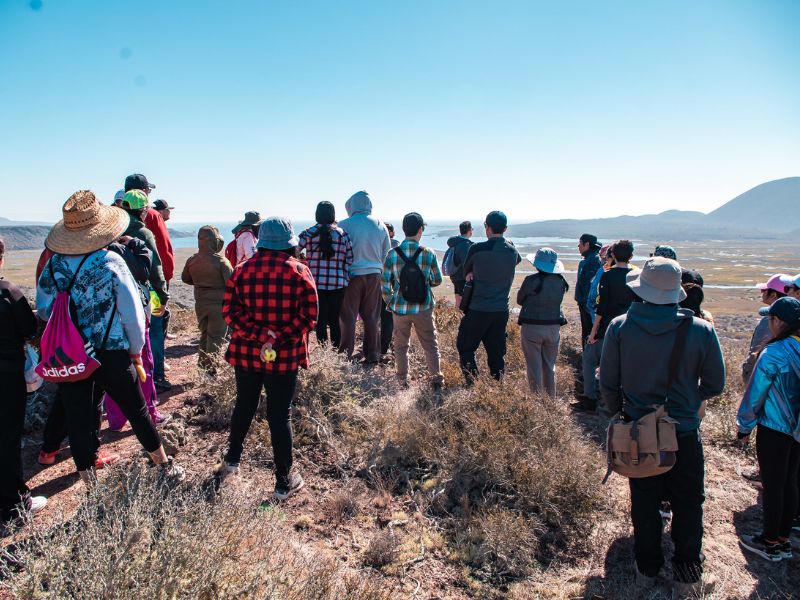
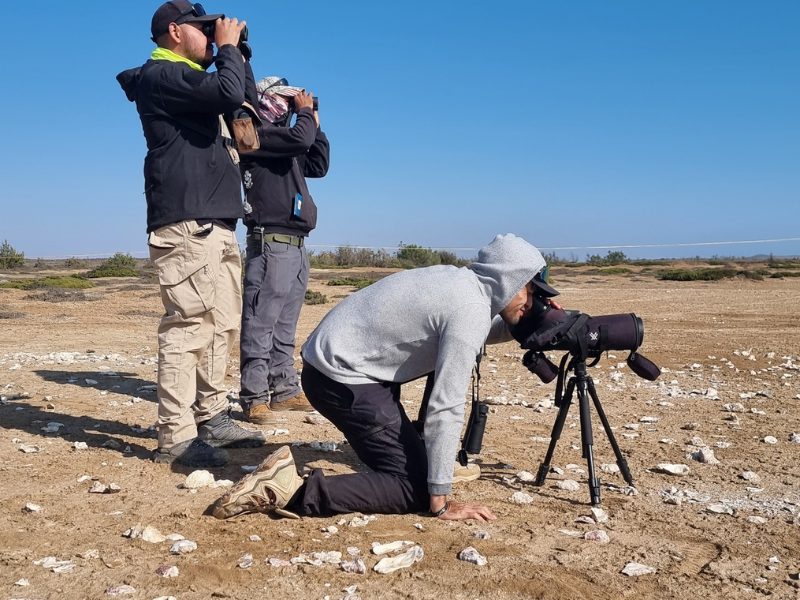
Across northwestern Mexico, something is happening: local efforts have begun to come together to create a greater impact on the conservation of migratory birds and their habitats. In Baja California, Baja California Sur, Sonora, Sinaloa, and Nayarit, more people are becoming passionate about shorebirds. This region is key to the conservation of the diversity and abundance of shorebirds along the Pacific migratory flyway; however, it faces significant conservation challenges.
Amateur observers and new observation groups are beginning to become professional. Civil organizations, coastal communities, and municipal and regional governments have begun to recognize the value of these birds. This is why we want to build a regional group that promotes the coordinated conservation of migratory shorebirds and their habitats.
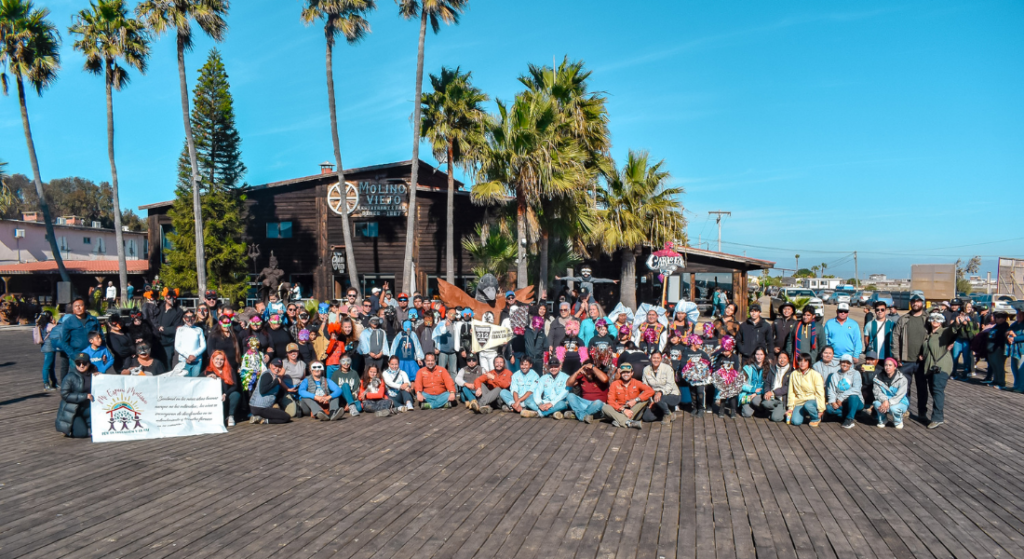
And after a year of work, we now have a collaborative network made up of partners from civil society organizations, universities, research centers, and government institutions that are addressing these threats.
In addition, the project promotes the creation and dissemination of printed and digital educational materials that bring this knowledge to the public, strengthening social awareness about the importance of these ecosystems.
MSP+ makes a difference by giving common purpose to efforts
The MSP+ program has been fundamental, providing platforms, vision, and tools to connect stakeholders, standardize methodologies, and give common purpose to efforts.
Its support has also strengthened local capacities, motivating the professional advancement of community promoters.

Inspiring results; networks that join
We have been pleasantly surprised by the enthusiasm of communities and regional stakeholders in the various activities involved in this project.
Among the achievements and results we have so far are:
- Workshops to share the Migratory Shorebird Project (MSP) methodology.
- Educational events with more than 500 attendees (Bird Festival, World Wetlands Day).
- Online sessions with participation from stakeholders from six states.
- Training for youth and adults in bird monitoring and good environmental practices.
- 13 organizations integrated into the MSP network in the region.
- Workshops for the Shorebird Conservation Plan of Northwestern Mexico using the Conservation Standards methodology.
- Management actions for the protection of shorebird breeding and resting areas.
- Involvement of community groups in the assessment of habitat improvement and restoration.
- Protection of more than 70 hectares for shorebirds through the use of signage and temporary exclusion fencing.
- As a result of restoration activities in salt flats, the Snowy Plover was recorded nesting for the first time in decades at a site in Guerrero Negro, Baja California Sur.
What's next: opportunities to multiply the impact
This project can grow by focusing on these three areas:
- Consolidating more regional networks to achieve national-level coordination, as well as promoting national in-person events.
- Strengthening new community groups through training, equipment, and spaces to exchange experiences at the national level.
Strengthen communication and forums for exchanging experiences with other partners within the network and across all MSP partner countries to consolidate and expand the project’s vision and impact.
To learn more about this project
Fernando Ramón Gavito Pérez, Executive director. fernando@terrapeninsular.org