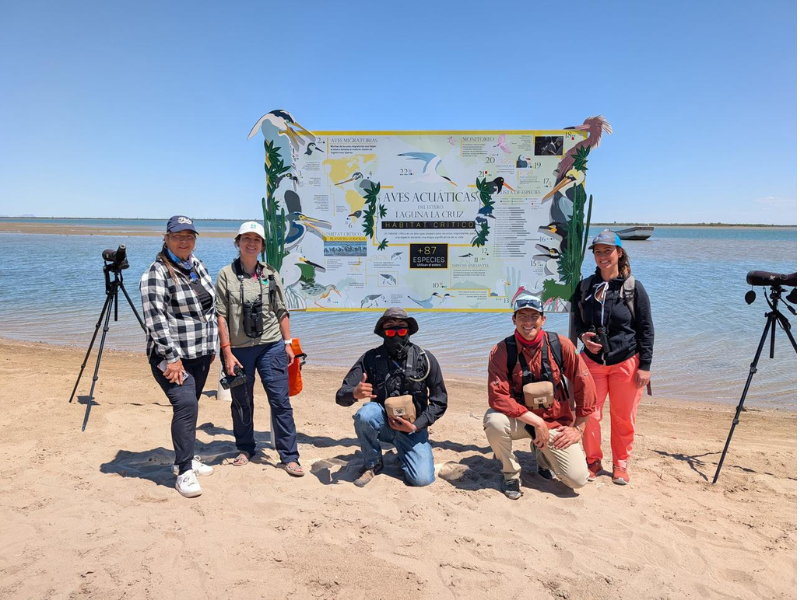
From the wetlands of northwestern Mexico, local and Indigenous communities are strengthening the protection of migratory shorebirds through science, education, and collective action.
MSP+ Science for Action 2025–2026
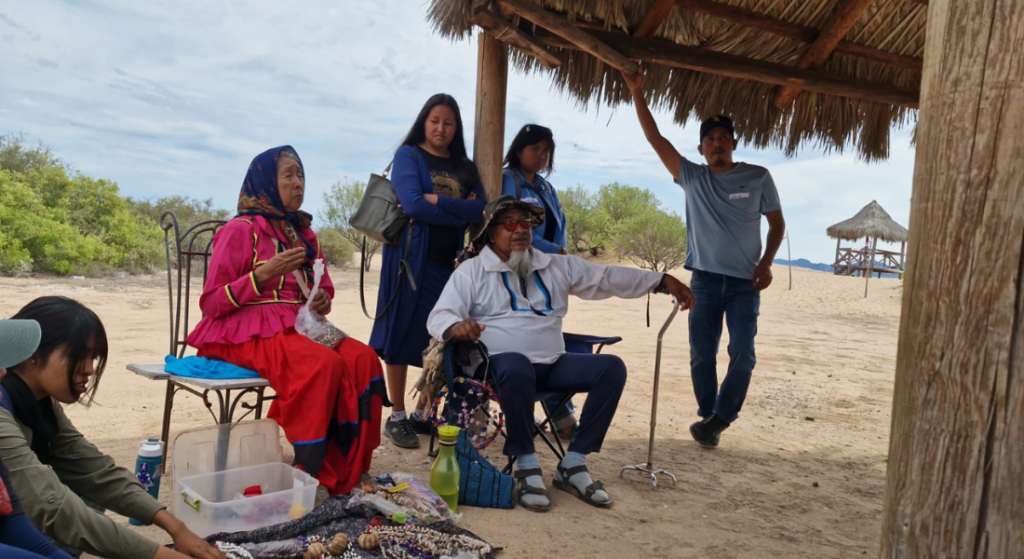
In the Laguna de La Cruz and Canal del Infiernillo wetland complexes in Sonora, Mexico, the identification and quantification of critical habitat for migratory shorebirds opened new conversations among community groups, Comcaac Indigenous communities, youth, local leaders, and technical partners about the threats facing these ecosystems and the opportunities to protect them.
That dialogue gave rise to a shared conservation vision that now drives locally led actions combining participatory science, environmental education, and community leadership to promote sustainable conservation solutions.
As a result, strengthening the capacity of local communities to actively engage in shorebird conservation became a key pillar of the process, showing that the most sustainable solutions come from the people who inhabit and understand these territories.
MSP+ Makes a Difference by Strengthening Community Led Conservation
The MSP+ Program not only provided the funding needed to launch these actions but also became a strategic partner throughout the entire process. Ongoing conversations with MSP+ and Point Blue helped refine ideas, strengthen implementation, and maintain momentum. This collaboration added real value by ensuring that the project remained adaptable, well grounded, and responsive to both community and conservation priorities.

Inspiring Results: Science, Education, and Community Leadership in Action
Building on this shared vision, a network of collaborative conservation projects has been consolidated across 12 estuaries in the region.
Through workshops, field experiences, and training processes, community members have strengthened the skills and confidence needed to lead conservation actions in their own territories.
Among the actions promoted are:
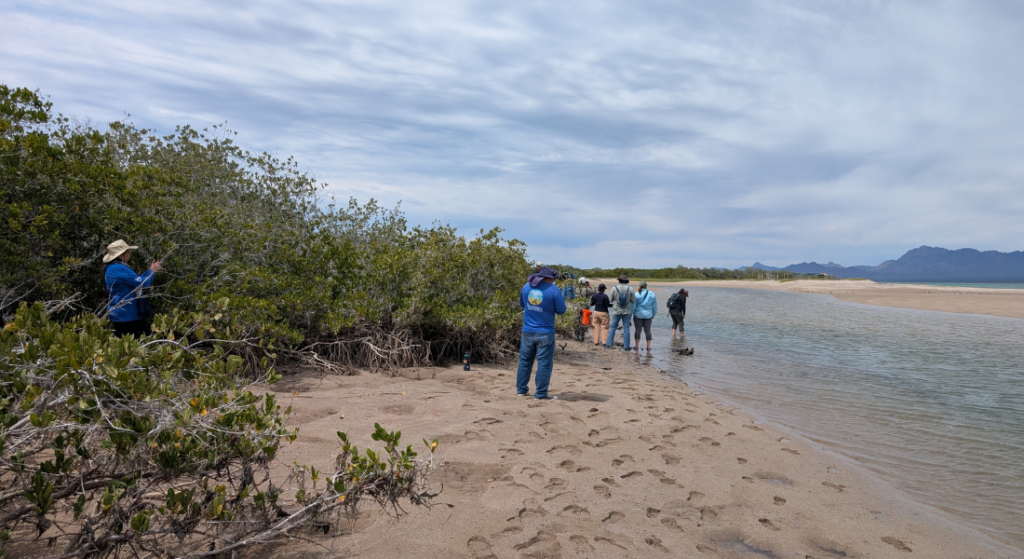
- Participatory monitoring, as well as data management and analysis, to support decision making.
- Mangrove restoration and actions to improve water quality.
- Educational processes on shorebirds and migration that integrate traditional ecological knowledge.
- Interpretive signage co created collaboratively.
- Videos produced by the community that reach thousands of people each year.
Lessons That Strengthen Belonging and Leadership
- One of the most encouraging results has been the growing sense of belonging and leadership among community participants, who are increasingly driving and shaping their own conservation initiatives.
- In addition, participatory monitoring has not only generated key information to better understand wetlands and shorebirds but has also become a powerful tool for strengthening local capacities and promoting evidence-based decision making.
- The experience has shown that integrating science, education, and community knowledge can catalyze stronger and more sustainable conservation processes. When communities become protagonists of conservation, actions gain greater permanence, legitimacy, and impact within the territory.
What’s Next: More Community Led Actions
The next step will be to work alongside Comcaac Indigenous youth and local conservation groups in Bahía de Kino to implement pilot initiatives that combine education and direct habitat protection.
Planned actions include expanding interpretive signage and establishing exclusion zones to reduce off road vehicle traffic in sensitive marsh areas.
These actions will be accompanied by ongoing monitoring and the strengthening of local capacities to ensure a lasting impact. With additional funding, the team hopes to expand this approach to other priority sites and continue supporting conservation initiatives led by the communities themselves.
To learn more about this project
Prescott College Kino Bay Center
Ana Martínez: ana.martinez@prescott.edu
Lorayne Meltzer: lmeltzer@prescott.edu