Communities of the Colombian Pacific Become the Voices of Conservation
On the beaches and mangroves of Tumaco (Nariño, Colombia), participatory science is creating new leadership that connects shorebird conservation, local governance, and tourism.
MSP+ Science to action 2025-2026
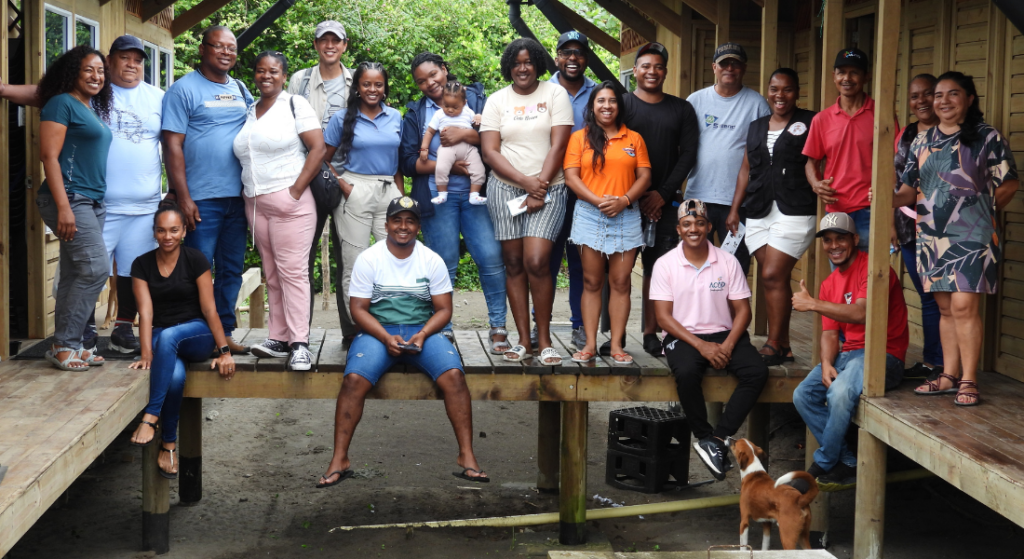
Participatory science group made up of more than 15 people representing 13 local organizations. Sebastián Quintero_Asociación Calidris.
On the beaches, mangroves, and intertidal mudflats of Nariño, migratory and resident shorebirds find places to rest, feed, and nest. These ecosystems are also essential to the economy, culture, and tourism of the southern Colombian Pacific.
This connection between biodiversity and territory gave rise to an initiative that brought together local organizations, tourism operators, government agencies, and community associations to support shorebird conservation.
In this way, the goal is to position these species as allies in promoting best tourism practices, strengthening local stewardship, and creating new opportunities to value and protect coastal ecosystems.
MSP+ Makes a Difference by Strengthening Local Leadership in Participatory Science
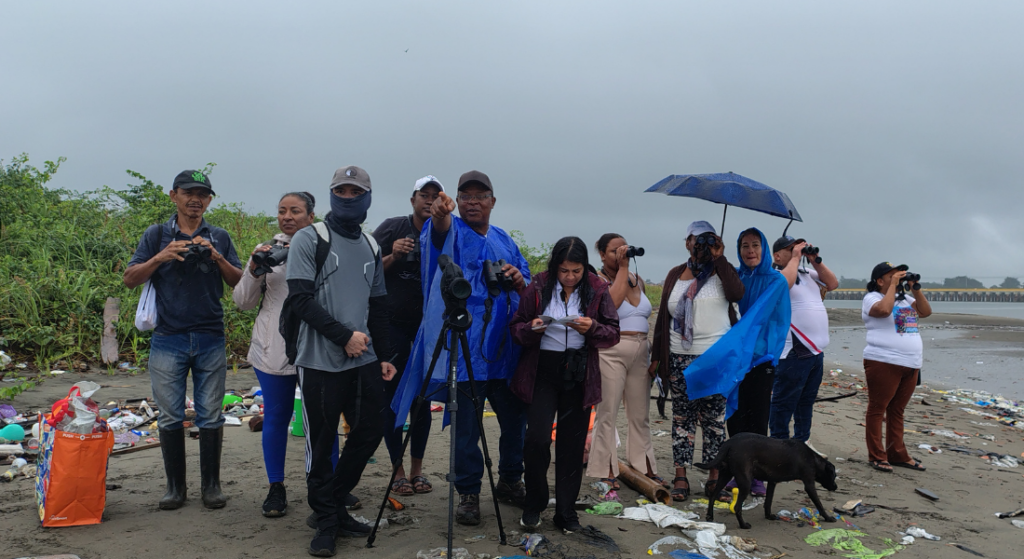
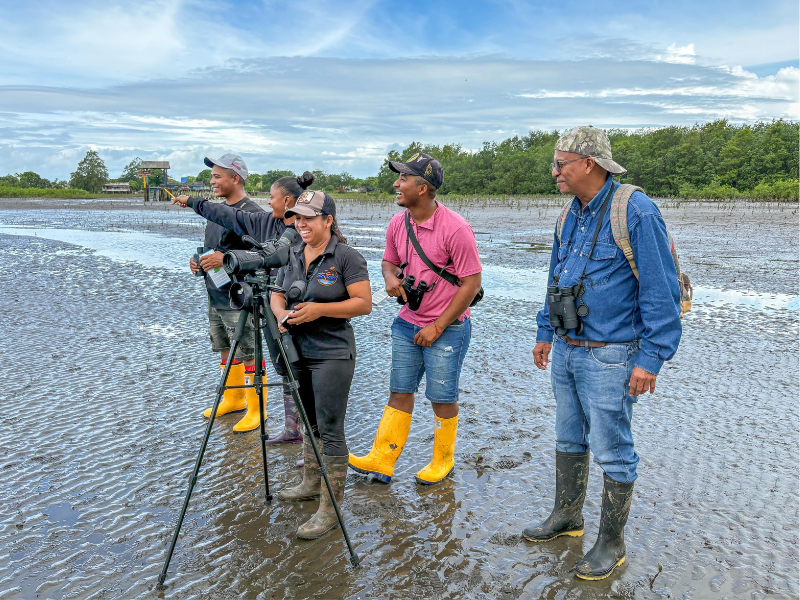
Beyond financial support, the project helped transform the way shorebird conservation is approached in Tumaco. While activities were previously concentrated mainly on counts led by a single organization, there is now a more participatory and community based process through the participatory science group GuardiAves de Tumaco.
This was made possible through funding for technical equipment, workshops and monitoring activities, as well as the production of communication, outreach, and environmental education materials.
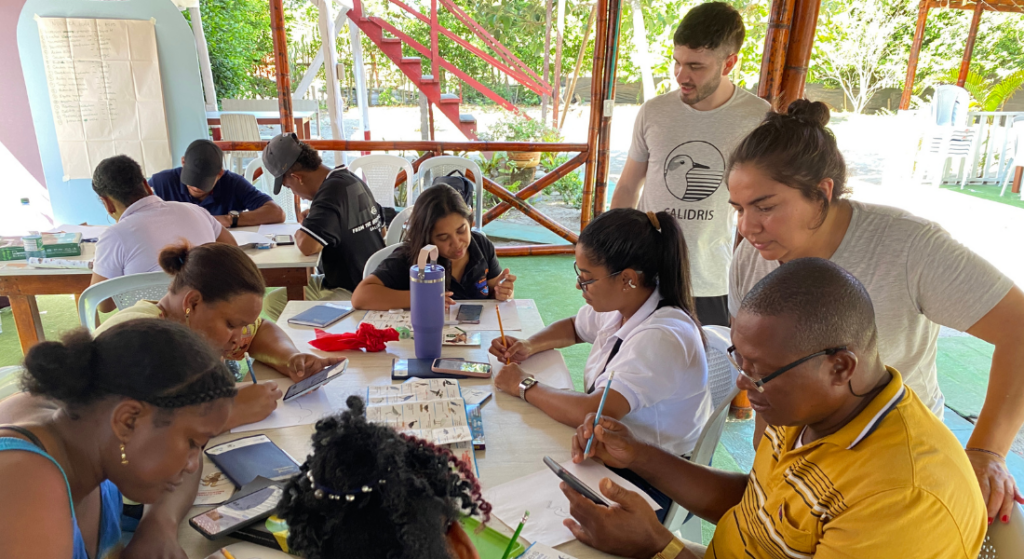
Creation of illustrations for the Tumaco waterbird field guide. Their drawings will be included in the guide along with their voices describing each species. Photograph. María Ximena Galeano_Asociación Calidris
Inspiring Results
The process has also been supported by a communication strategy led by the group members themselves, who design and create social media content, develop conservation messages, and build new narratives about the ecological and cultural value of shorebirds.
In this way, the group has succeeded in integrating birds into their interpretive storytelling and tourism activities, strengthening the connection between conservation, communication, and local livelihoods.
Through training activities such as the participatory design of the bird guide, participants have strengthened their connection with these species and their ability to recognize their characteristics, building capacities that can contribute to the continuity of the process in the territory.
What’s Next: Opportunities to Multiply the Impact
One of the main challenges identified is the lack of awareness and local ownership regarding the ecological and cultural value of shorebirds, especially in areas such as El Bajito Beach.
In the future, GuardiAves de Tumaco seeks to consolidate partnerships with local governments and institutions such as the Mayor’s Office, the Ministry of Tourism, and the General Maritime Directorate of Colombia (DIMAR) to strengthen decision making and expand conservation actions across the territory.