In the Gulf of Tribugá, conservation is carried out from within the territory
On the beaches of the Colombian Pacific, youth, communities, and tourism stakeholders are building strong local governance around migratory shorebirds and their habitats.
MSP+ Science to action 2025-2026
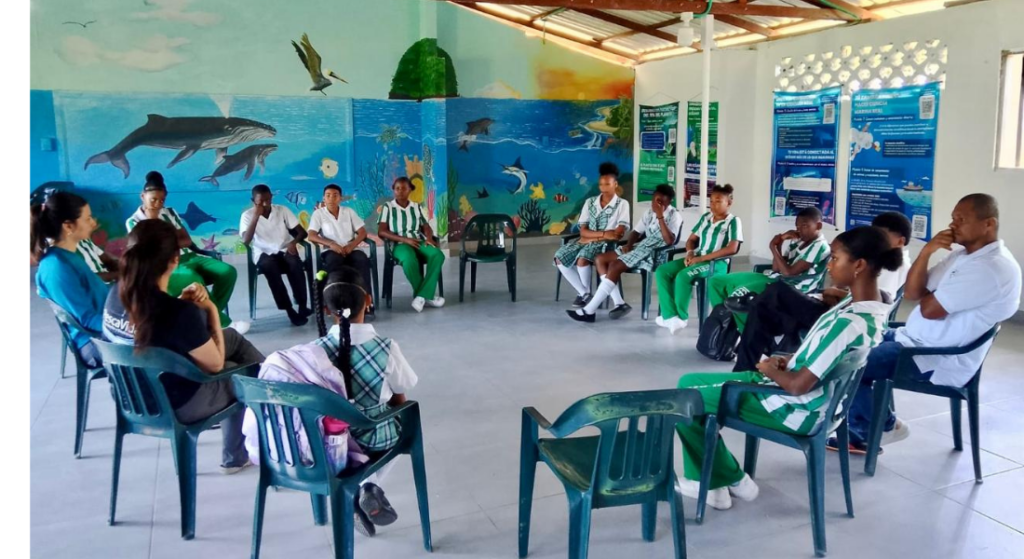
Group of “Shorebird Guardians” during a training session at the Ecotourism Educational Institution Litoral Pacífico, in Nuquí (Chocó), strengthening youth leadership and local ownership of conservation.
Photo: Feliz Gómez, Community Council Los Riscales
On the beaches and wetlands of the DRMI Gulf of Tribugá – Cabo Corrientes, in the Colombian Pacific, local communities, tourism providers, and young people are strengthening new ways to protect migratory shorebirds and their habitats. Facing threats such as unregulated tourism and other human activities that affect these coastal ecosystems, this new phase of the process seeks to strengthen conservation actions built from within the territory and supported through local shared responsibility.
Building on the lessons learned from a previous phase supported by MSP+, the project seeks to strengthen the shared responsibility of communities, tourism providers, and visitors in the conservation of these species and their habitats. This continuation has made it possible to strengthen environmental education and conservation actions through a participatory approach.
MSP+ makes a difference by strengthening long term community processes.
The support of MSP+ has made it possible to strengthen the shared responsibility of communities, tourism service providers, and visitors for the conservation of these species and their habitats. This continuation has made it possible to strengthen environmental education and conservation actions through a participatory approach.
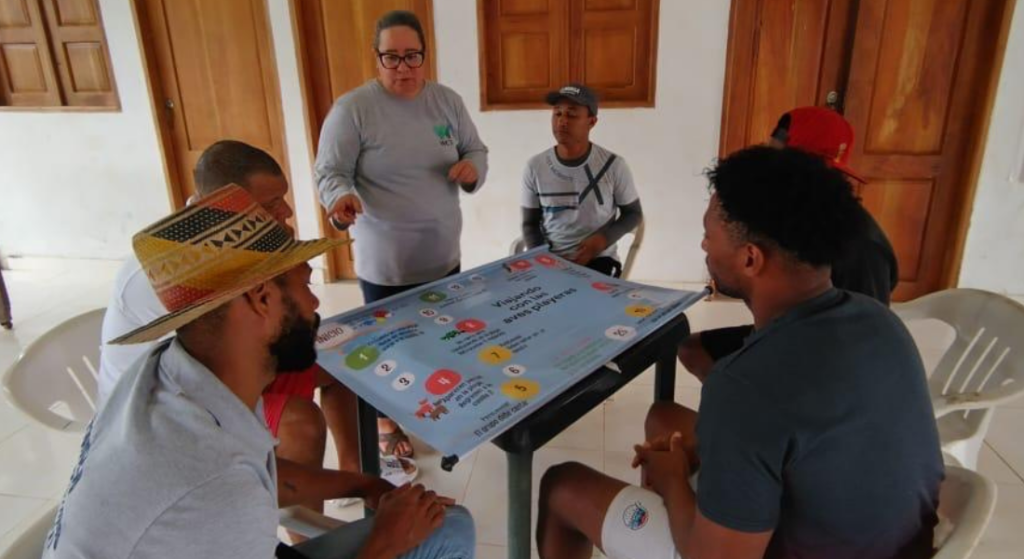
Local participants interact with the game “Shorebirds’ Survival Route,” an educational tool that promotes learning about the challenges these species face during their migration and the importance of their conservation in the Gulf of Tribugá.
Photo: Guisela Chaves, WCS Colombia.
Inspiring results: local leadership to protect the beaches
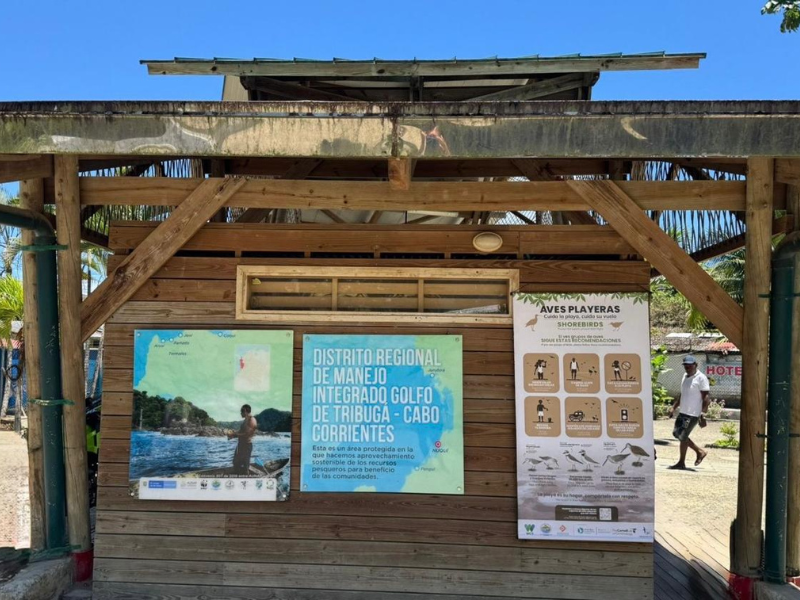
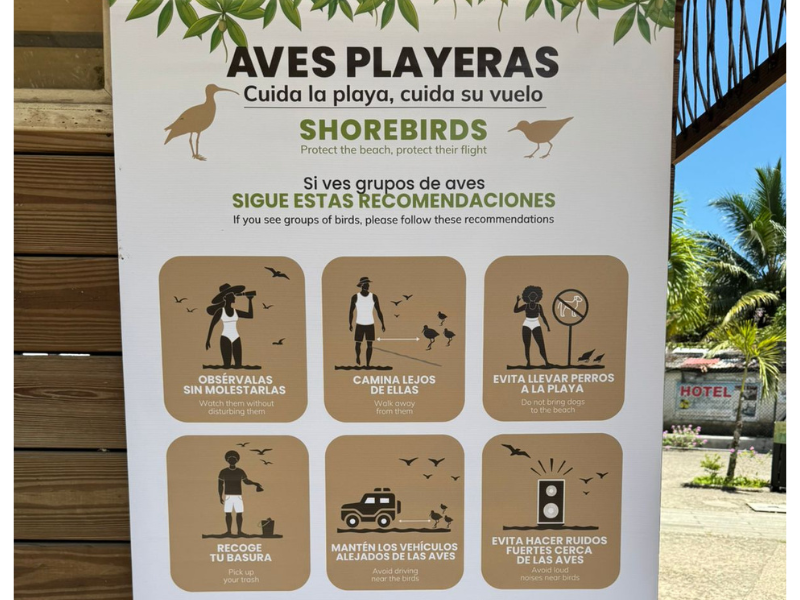
During this new phase, training and awareness raising activities were carried out with communities, tourism operators, and visitors in different localities of the Gulf of Tribugá. As part of these actions, good practices for the protection of shorebirds were promoted through the installation of educational infographics in hotels, docks, and the Nuquí airport.
One of the most significant achievements has been the creation of two youth groups of “Shorebird Guardians” in educational institutions in Nuquí and Arusí. Students from different districts actively participate in education, awareness, and territorial stewardship processes, strengthening a new generation of community leadership for conservation.
The project has also promoted the collective development of educational tools, including the design of a game about the migratory route of shorebirds, integrating learning, participation, and local ownership.
On the beaches of the Gulf, conservation is beginning to be reflected in everyday actions. “During the migratory season, I avoid walking on the beach with my dogs,” shares Ana Buriticá, from Posada Nativa Casa Colibrí. For his part, José Moreno, a local tour operator, points out: “When I go jogging on the beach, I try to keep my distance if I see groups of birds.”
What’s Next: Opportunities to Multiply the Impact
The next step will be to consolidate and expand actions across more beaches and communities in the Gulf of Tribugá, strengthening environmental education processes and community pre agreements to reduce threats to shorebirds and their habitats.
With greater resources, the project will be able to address issues more directly, such as the presence of pets and waste on the beaches, as well as strengthen local initiatives like the “Shorebird Guardians,” educational murals, and other cultural spaces that integrate conservation and responsible tourism.