Women are Shaping the Future of Shorebird Conservation in Central America
The creation of a women-led regional network is opening new opportunities for collaboration, learning, and the long-term conservation of shorebirds.
MSP+ Science to Action- 2024-2025
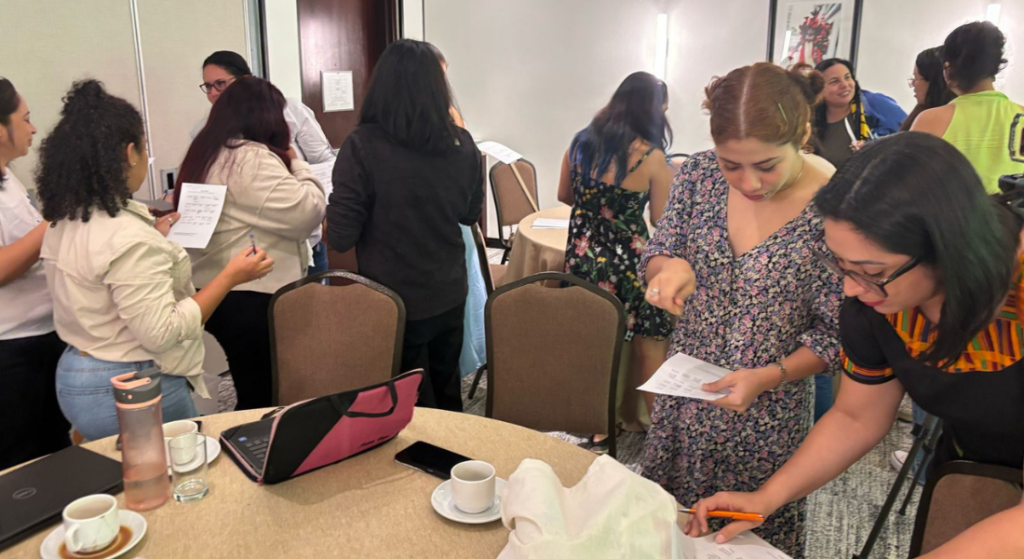
Workshop “Empowering MSP Women in Science in Central America,” held in March 2025 in Ciudad de Panamá. Credits: Sociedad Audubon de Panamá
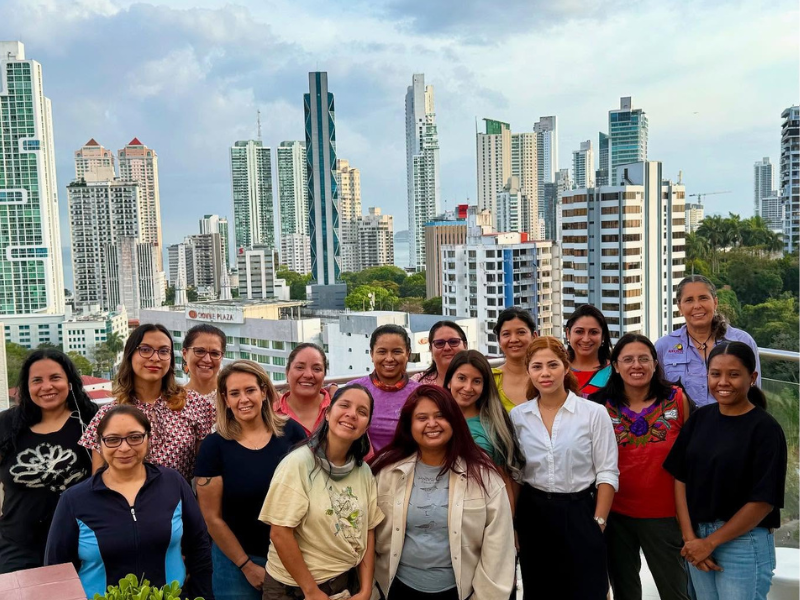
Fourteen women from Guatemala, Nicaragua, El Salvador, Honduras, Costa Rica, and Panama came together with a shared goal: to strengthen their leadership and participation in shorebird conservation. Through the workshop “Empowering MSP Women in Science in Central America,” held in March 2025 through two virtual sessions and one in-person gathering in Panama City, participants created a space for learning, exchange, and collaboration that laid the foundation for long-term regional cooperation.
The initiative connected experiences, identified shared challenges, and strengthened the role of women in research, monitoring, environmental education, and shorebird conservation across the region.
MSP+ Makes a Difference by Strengthening Leadership and Regional Connections
Support from MSP+ brought together women from different Central America countries to share knowledge and experiences related to shorebird conservation. Building on the experience of the Panama Audubon Society and the contributions of each participant, the workshop fostered a meaningful exchange that strengthened a collective vision for conservation across Central America.
Fourteen women from Guatemala, Nicaragua, El Salvador, Honduras, Costa Rica, and Panama came together to strengthen their leadership in shorebird conservation. Credits: Sociedad Audubon de Panamá
Inspiring Results: A Regional Network Led by Women
One of the initiative’s most significant achievements was the creation of the MSP Women’s Network of Central America, a platform designed to promote knowledge exchange and collaboration for the benefit of shorebirds and their habitats.
The two virtual sessions allowed participants to identify common interests and co-create the agenda for the in-person workshop. The workshop covered topics such as policy advocacy, shorebird monitoring, proposal development, environmental education, volunteer management, effective communication, and leadership.
A visit to Panama’s Ministry of Environment provided participants with an opportunity to reflect on the role of advocacy and decision-making in conservation.
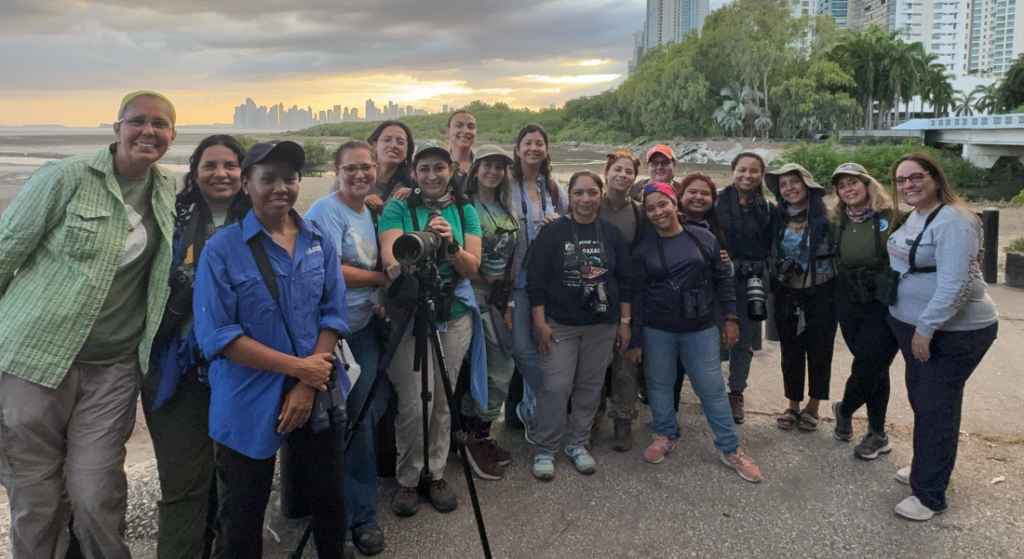
Field activities and hands-on training also sparked greater interest in shorebird observation and conservation among new participants.
Most sessions were facilitated by women specialists who shared their experiences, knowledge, and tools to help strengthen participants’ confidence and leadership skills.
Lessons Learned for Building a Stronger Future Network
One of the most valuable lessons learned was the effectiveness of combining virtual and in-person engagement. The virtual sessions helped build trust and identify shared interests, while the face-to-face meeting strengthened relationships and collaboration among participants.
Discussions with experts from different fields also highlighted the importance of incorporating diverse perspectives on the role of women in conservation. Participants identified a need for further training in areas such as data analysis, strategic communications, and environmental education.
Another key lesson was recognizing that while social media plays a critical role in outreach, traditional communication channels remain essential for reaching broader audiences and expanding the impact of conservation messages.