
In Sipacate, Guatemala, artisanal salt producers and local organizations are working together to strengthen community livelihoods and conserve one of the most important habitats for migratory shorebirds.
MSP+ Science to Action- 2025-2026
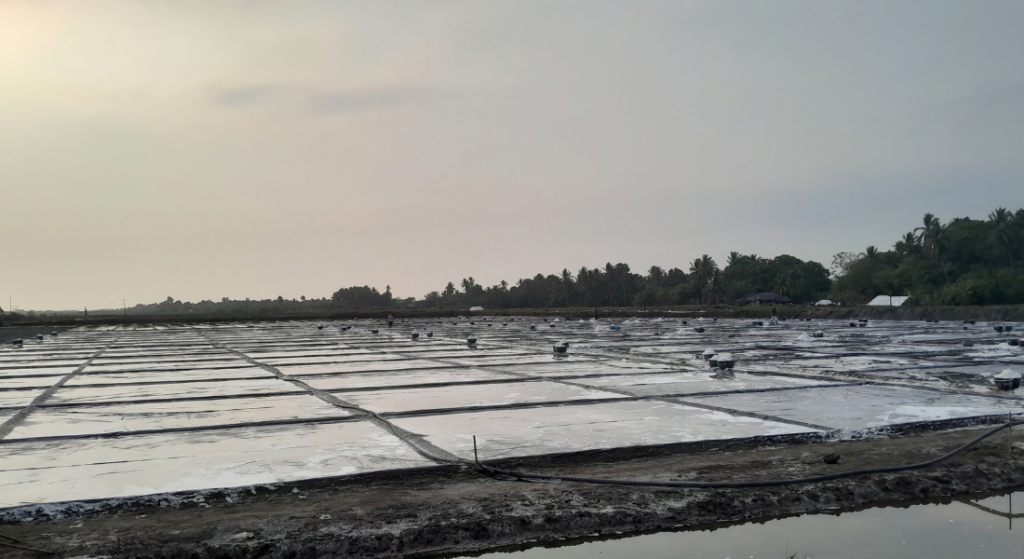
The artisanal salt flats of Sipacate, Guatemala, represent far more than an economic activity: they are key habitats for thousands of birds and a source of livelihood for local communities. The municipality is home to one of the few protected coastal areas in the region, a site of high biodiversity and a critical stopover for thousands of migratory shorebirds.
However, pressure from urbanization, the expansion of shrimp farms, climate impacts, and difficulties accessing markets and financing threaten the continuity of this productive and ecological landscape.
In response to this, FUNDAECO works alongside the salt producers’ associations to promote best practices, diversify their income, improve access to markets and credit, and ensure that this valuable environment continues to protect the birds over the long term.
MSP+ Makes a Difference by Building Trust and Driving Community Action
MSP+’s continued support over three years has been essential to building a relationship of trust with the community and the salt producers in Sipacate. This support enabled us to understand the risks of losing these areas to the pressure of urbanization and the expansion of shrimp farms, which would drastically affect local biodiversity.
This period has enabled the salt-producing families, local communities, schoolchildren, and young people to move from being observers to becoming active allies in protecting the habitats that sustain shorebirds and their own livelihoods.
Inspiring Results: Artisanal Salt Flats that Protect Key Habitats
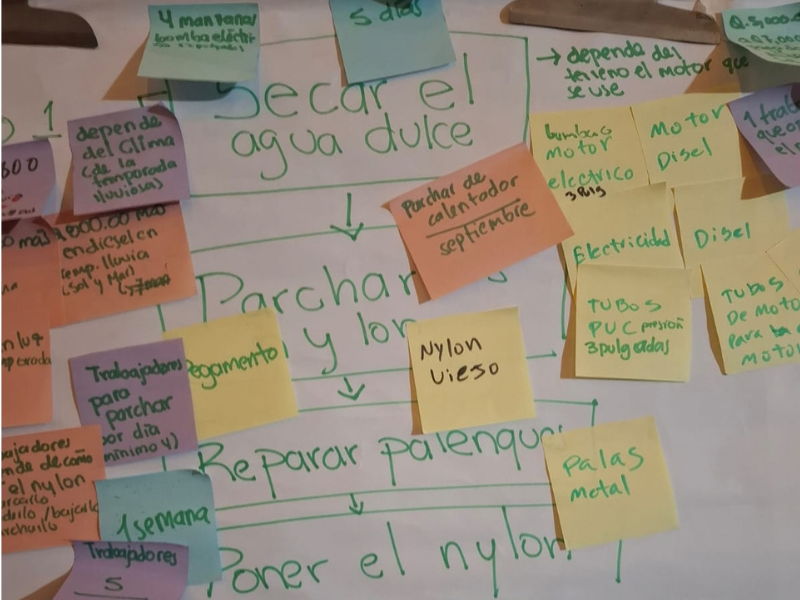
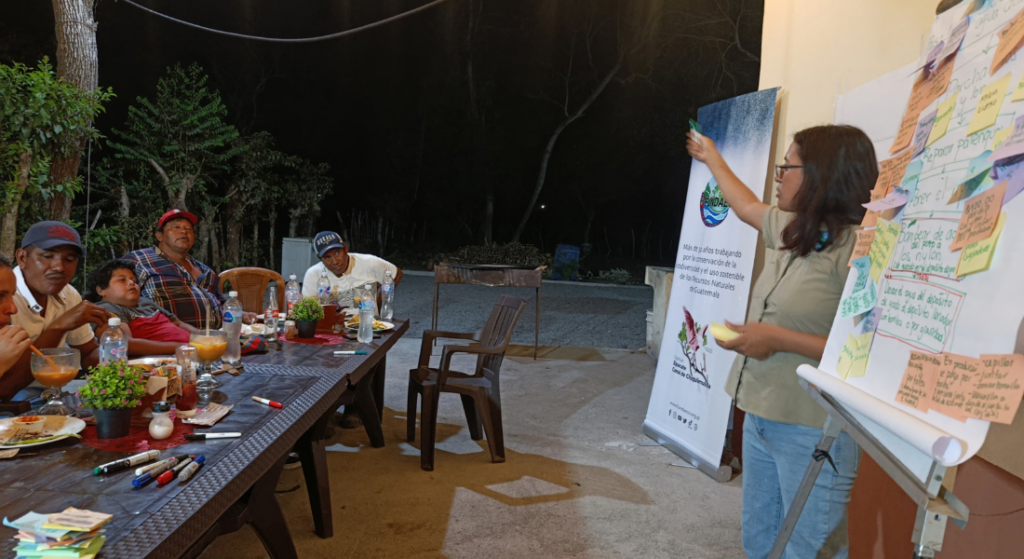
Together with Sipacate’s two salt producers’ associations, six participatory workshops were held that combined science, planning, and community strengthening. Producers and their families learned about the results of the shorebird monitoring and took part in training on water management for habitat creation, environmental education, and handicraft making.
The process also made it possible to carry out a SWOT analysis and map the value chain of local salt production. Key findings included strengths such as traditional knowledge, the creation of formal jobs with benefits, and the production of high-quality artisanal salt. At the same time, critical challenges were identified relating to price stagnation, the pollution associated with the sugarcane harvest, and the closure of the river mouth, which limits the flow of saltwater.
One of the most encouraging results has been confirming that there is real demand for the product and that the associations have technical and organizational support from external institutions to address these risks, creating new opportunities to link conservation and local development.
Lessons Learned to Strengthen Conservation in the Artisanal Salt Flats
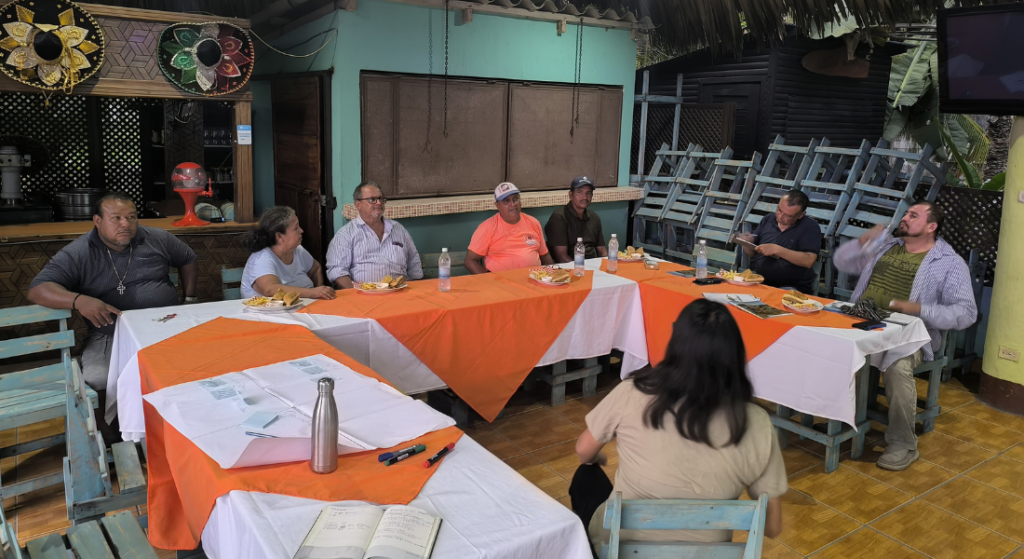
One of the main lessons has been that trust is built in the field. Listening to the producers, understanding their needs, and sharing their daily reality has strengthened the relationship between FUNDAECO and the communities, making it easier to carry out conservation actions.
Working together with the salt producers’ associations has shown that traditional knowledge, high-quality artisanal production, and job creation are strengths on which conservation and sustainable development strategies can be built.
Demand for artisanal salt, together with the technical support of partner organizations represents an opportunity to strengthen both local livelihoods and the conservation of the habitats that shorebirds use.
What's Next: Opportunities to Multiply the Impact
The next steps include holding handicraft workshops for young people and women, arranging credit options for producers, and designing conservation agreements that strengthen the protection of the salt flats and their associated wetlands.
The project is also building a regional alliance with similar initiatives in Panama and Honduras to exchange experiences and scale up lessons learned.
With additional funding, the priority will be to attract investors to create a permanent fund for the associations and build a warehouse that improves the commercial competitiveness of artisanal salt, thereby strengthening the economic and ecological sustainability of the coastal landscape.
To learn more about this project
Ingrid Arias i.arias@fundaeco.org.gt
Bianca Bosarreyes b.bosarreyes@fundaeco.org.gt
Myrmamaria Galindo m.galindo@fundaeco.org.gt